Malvern College Pre-School Hong Kong believes in the use of educational technology to support teaching and learning.
Beebots are programmable, colourful toys introduced to children at an early age – they are great fun but also lay the foundation of coding, control and directional language. Science – or “Understanding the World” in EYFS terms – is another prominent fixture in the MCPS curriculum, which allows for play-based, multi-sensory learning.
Educational technology is used thoughtfully to enrich teaching and learning. As young children learn most effectively through active and shared experiences, digital and technical resources are introduced alongside conversation, imaginative play, construction and hands-on investigation.
Bee-Bots are programmable, colourful toys introduced to children at an early age. They are great fun while also laying the foundations of coding, control, sequencing and directional language. Children can plan a route, give instructions, notice mistakes and try again.
Science—or “Understanding the World” in EYFS terms—is another prominent part of the MCPS curriculum. Children predict what might happen, test an idea, observe the result and make improvements through play-based, multi-sensory learning.
Future-focused learning
Children learn that ideas and actions can create positive economic, social and cultural value. Through age-appropriate activities, they develop initiative, problem-solving skills and the confidence to explore new possibilities.
Financial literacy in K1 and K2
A bilingual introduction to financial literacy and entrepreneurship.
Topics covered
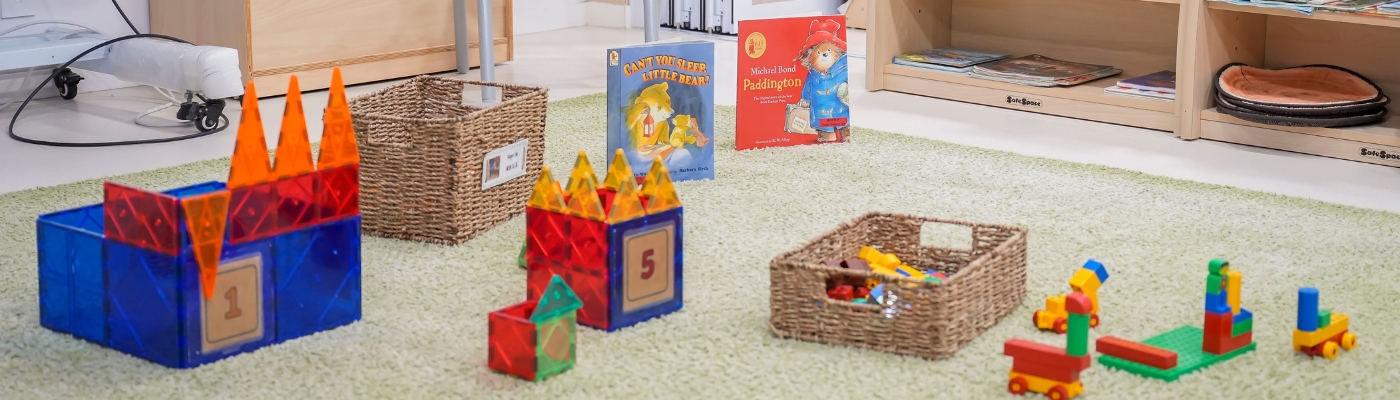
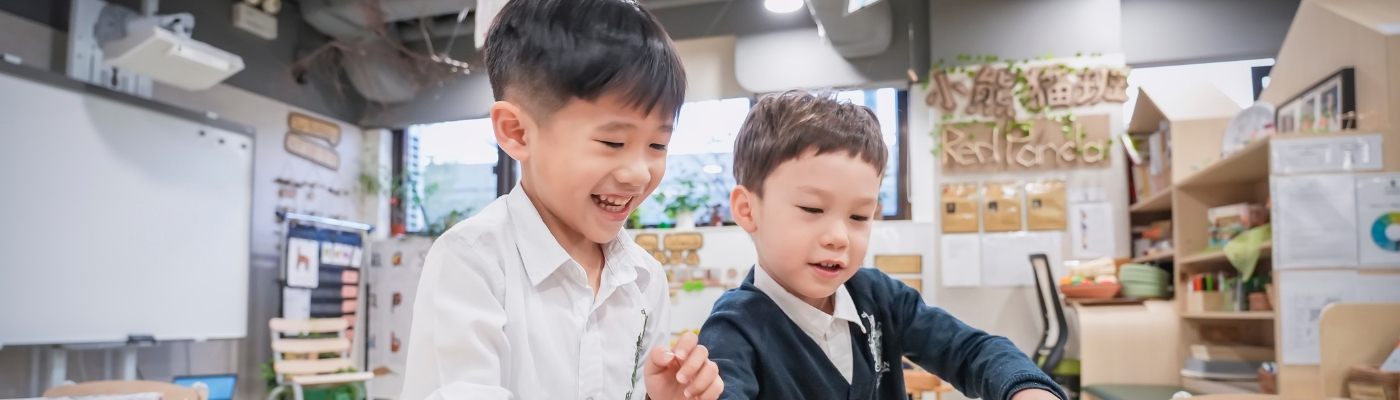
We prepare pupils for the world of tomorrow with a focus on STEAM—Science, Technology, Engineering, Arts and Mathematics. Snap Circuits enable children to explore simple and more complex electronic circuits through hands-on challenges.
Young learners may make a propeller move, operate a light, play music or create a simple sensor alarm. These experiences help children investigate cause and effect and understand that ideas can be tested and improved.
Learning process
Asking questions and exploring how things work.
Testing ideas and finding different ways to reach a goal.
Designing, building and adapting solutions.
Understanding that an unsuccessful attempt is part of learning.
When used with care and appropriate adult guidance, technology can enrich learning, communication and relationships. It complements—rather than replaces—movement, imaginative play, conversation and real-world exploration, offering another purposeful way for children to think, create and solve problems together.
Parent takeaway
Our emphasis is not on mastering devices, but on using carefully selected tools to think, create, collaborate and solve problems in purposeful ways.